

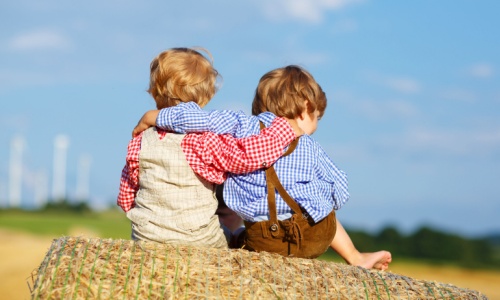
Friendships in the kindergarten years (ages 4–6) play a crucial role in a child’s social, emotional and cognitive development. Beyond fun and play, these early relationships teach children how to cooperate, empathise and negotiate, laying the foundation for future friendships and teamwork.
Understanding the value of friendships and the role educators play can help parents support positive social growth both at home and at school.
How Friendships Support Social Development
Through interactions with peers, children learn key social skills:
- Empathy: Children begin to recognise others’ feelings, respond appropriately and offer comfort.
- Conflict resolution and negotiation: Disagreements over toys or turn-taking teach children how to compromise and find solutions.
- Teamwork and cooperation: Group activities, games and collaborative projects develop cooperation, patience and shared responsibility.
- Communication skills: Children practise expressing ideas, listening to others and understanding social cues.
- Self-confidence: Positive peer interactions boost self-esteem and encourage children to take initiative in social settings.
The Role of Educators
Educators in high-quality kindergarten settings guide social learning by:
- Observing interactions: Noticing when children struggle socially and stepping in when guidance is needed.
- Modelling behaviour: Demonstrating empathy, respectful communication and problem-solving techniques.
- Facilitating group activities: Creating opportunities for collaboration, turn-taking and shared goals.
- Providing gentle support: Intervening in conflicts calmly, helping children find solutions without taking over.
- Encouraging inclusion: Ensuring every child has opportunities to engage and feel valued within the group.
Supporting Friendships at Home
Parents can complement these efforts by:
- Organising playdates: Small, supervised gatherings allow children to practise cooperation in a familiar setting.
- Role-playing scenarios: Pretend games with dolls or action figures help children explore social situations.
- Discussing feelings: Encourage children to talk about their emotions and the feelings of others.
- Encouraging sharing and turn-taking: Daily routines and family activities can reinforce these skills.
- Celebrating successes: Acknowledge when your child demonstrates empathy, compromise, or teamwork.
The Bottom Line
Early friendships are more than social fun — they are essential for developing empathy, communication and problem-solving skills. By combining the guidance of educators with supportive parenting, children learn to navigate relationships confidently, building the foundation for lifelong social competence.
Friendships in the kindergarten years help children not only connect with peers but also understand themselves and the world around them, shaping compassionate, resilient and cooperative individuals.