

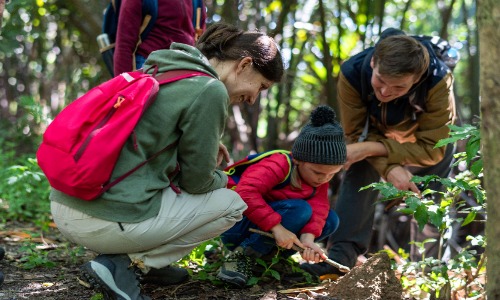
In an increasingly digital world, the value of unstructured time spent in nature has never been more vital for early childhood development. For families in Ormeau seeking a well-rounded early learning environment, outdoor exploration offers far more than a way to burn off energy. Aligning closely with the Early Years Learning Framework (EYLF), natural outdoor spaces serve as dynamic learning environments where children build physical strength, master risk assessment and cultivate emotional resilience through hands-on play.
Developing Gross Motor Strength and Physical Confidence
Outdoor environments present rich physical challenges that indoor spaces simply cannot replicate. As young learners navigate uneven terrain, climb wooden structures and balance across logs, they engage in multi-sensory physical development:
- Gross Motor Precision: Running over grass, leaping across stepping stones and climbing balance beams strengthen large muscle groups, improving coordination, balance and spatial awareness.
- Core Stability and Posture: Negotiating varied natural surfaces activates deep core muscles, building the physical stability required for long-term health and classroom tasks like sitting attentively.
- Sensory Integration: Touching rough tree bark, feeling cool mud and listening to native birds enriches sensory processing, helping children feel grounded and regulated in their bodies.
Dynamic Risk Assessment and Problem-Solving
Risky play—such as deciding how high to climb or how far to jump—is an essential component of healthy early childhood growth. When children test their physical boundaries in a safely supervised natural setting, they develop lifelong problem-solving skills:
- Evaluating Capabilities: Children learn to assess a situation independently by asking themselves, “Is this branch sturdy?” or “Can I make this leap safely?”
- Managing Failure and Persistence: Missing a step on a balance log or slipping on grass teaches children to recalibrate, try a new strategy and persist until they succeed.
- Building Self-Trust: Successfully navigating physical obstacles instils genuine confidence, helping children trust their own judgment and decision-making abilities.
Fostering Emotional Resilience and Environmental Connection
Nature-based play acts as a powerful buffer against early childhood stress, fostering emotional equilibrium and environmental stewardship:
- Emotional Regulation: Open natural spaces give children room to express energy, release physical tension and find quiet moments of calm, helping them reset during busy days.
- Social Collaboration: Navigating outdoor games, building cubby houses and sharing nature finds encourage cooperative problem-solving and peer communication.
- Connection to Country and Nature: Interacting directly with local plants, soil and wildlife nurtures a deep sense of respect, empathy and care for the natural environment.
Nurturing Healthy, Confident Learners in Ormeau
By embedding natural outdoor exploration directly into daily routines, early childhood educators help children grow into physically capable, emotionally resilient and environmentally conscious individuals. Programs like Elm Tree Early Learning in Ormeau harness the power of nature play to ensure every child builds the confidence, strength and curiosity needed to thrive.