

Tiny Spaces, Big Growth: How Nursery Environments Shape Brain Development in the First Two Years
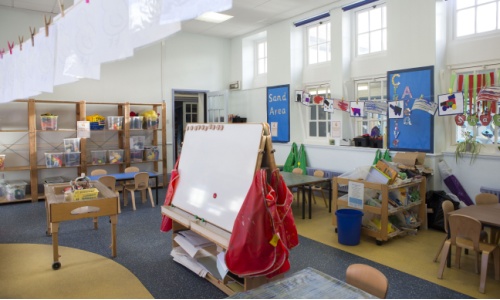
The first two years of life are the most intensive period of brain development in the entire human lifespan. From around six weeks of age, an infant’s brain is forming connections at a pace that will never again be matched — building the neural architecture that underpins language, emotion, cognition, movement and social understanding. For Gold Coast families […]
The Hidden Language of Nursery Play: How Infants Communicate Curiosity Before Words
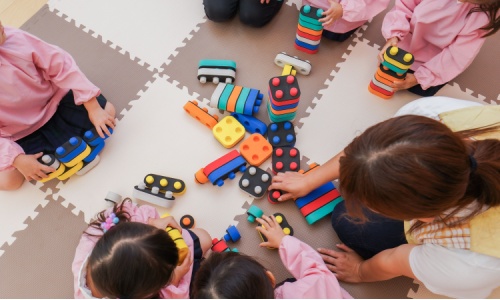
Most early childhood content focuses on toddlers and preschoolers — the talkers, the questioners, the children who announce their needs and interests with increasing verbal confidence. Far less attention is paid to what happens before language arrives. Yet the nursery room, filled with infants who haven’t yet spoken a single word, is arguably the richest communicative environment in any […]
Every Moment Is a Learning Opportunity: What This Means in a Nursery Setting

For families across the City of Gold Coast—from the growing community in Ormeau to the coastal hubs of Southport—choosing a nursery for a child aged 6 weeks to 2 years is a significant milestone. Often, parents look for a “home away from home” that offers safety and warmth. However, in a high-quality nursery setting, care […]
How Play-Based Learning Starts Before Age Two

For many families in the City of Gold Coast, from the hinterland of Ormeau to the busy coastal strips, the term “play-based learning” is often associated with preschool or kindergarten. However, the foundation for this educational approach actually begins much earlier. In a high-quality nursery setting, play isn’t just a way to pass the time […]
How to Choose the Right Nursery: A Parent Checklist

Choosing the right nursery for your child is one of the most important decisions you will make as a parent. The early years are crucial for development and finding a setting that provides safety, stimulation and nurturing care can set the foundation for lifelong learning and wellbeing. For parents in Ormeau and the wider Gold […]
What to Expect in Your Child’s First Weeks at Nursery

Starting nursery is a significant milestone for both children and their families. In the first weeks, your child will be adapting to new faces, routines, sounds and spaces. It is normal for this period to involve a mix of excitement and emotional adjustment as your child begins to explore independence, social interactions and structured activity […]
Why Early Friendships Matter: Social Growth in the Kindergarten Years

Friendships in the kindergarten years (ages 4–6) play a crucial role in a child’s social, emotional and cognitive development. Beyond fun and play, these early relationships teach children how to cooperate, empathise and negotiate, laying the foundation for future friendships and teamwork. Understanding the value of friendships and the role educators play can help parents […]
Building Big Little Thinkers: Why Critical Thinking Starts Before School

Critical thinking isn’t just a skill learned in the classroom — it begins long before formal schooling. Children aged 4 to 6 are naturally curious, asking questions, testing ideas and exploring their environment. These experiences lay the foundation for problem-solving, creativity and lifelong learning. Understanding how early critical thinking develops can help parents nurture it […]
From Babble to Sentences: Nurturing Your 2-Year-Old’s Communication Skills

The two-year-old is a master of rapid change and nowhere is this more evident than in their language development. The adorable babbles and single words of yesterday are quickly giving way to the building blocks of conversation. For many parents, this is a triumphant and sometimes bewildering time, as their little one begins to string […]
The “Terrible Twos”: A Guide to Understanding Your Toddler’s Emotional World

Every Gold Coast parent knows the feeling: you’re enjoying a beautiful day at Burleigh Heads or navigating the bustling aisles of a local shopping centre and suddenly, the calm shatters. Your little one hits the deck, wailing, arms flailing, for a reason that seems completely illogical to an adult. Welcome to the “Terrible Twos,” a […]