

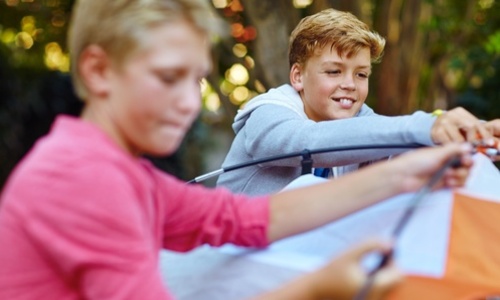
Everyday tasks give young children opportunities to practise movement, communication and independence. Putting toys away, carrying belongings or helping prepare food can become learning experiences when activities suit a child’s abilities.
Practical learning does not require children to complete tasks without help. Adults can demonstrate each step, provide supervision and adjust expectations as skills develop.
Toddlers: Start With Simple Actions
Younger toddlers may enjoy copying familiar household routines.
They can help place soft toys in a basket, carry a lightweight item or put a book on a low shelf.
Adults can use short instructions and demonstrate the action before inviting participation.
Children may need repeated assistance. The aim is familiarity with the task, not speed or accuracy.
Avoid assigning objects that are heavy, sharp, breakable or small enough to present choking risks.
Older Toddlers: Introduce Short Sequences
As coordination and understanding develop, children may participate in tasks involving two or more steps.
Examples include collecting toys before putting them away, placing shoes in a designated area or carrying a small bag.
Adults can explain each step and offer help when needed.
Children’s abilities vary considerably, so chronological age should guide rather than determine expectations.
Preschoolers: Build Everyday Responsibility
Preschool-aged children may be ready to participate in more detailed routines.
They might arrange placemats, organise art materials, sort laundry or help return equipment after an activity.
These tasks introduce sequencing, classification and shared responsibility.
Adults should ensure that materials are suitable and that children are not expected to manage hazards independently.
Make Handwashing a Familiar Routine
Handwashing is an important everyday hygiene practice.
Children can learn to wet their hands, apply soap, rub all hand surfaces, rinse and dry them.
Adults should supervise and assist as needed, particularly after toileting and before eating.
Using a stable, suitable step stool may help children reach the basin safely.
Include Children in Food Preparation
Food preparation offers opportunities to practise coordination, language and following instructions.
Children might wash fruit, peel a banana or spread soft ingredients using age-appropriate utensils.
Adults should manage sharp implements, hot surfaces and other kitchen hazards.
Food must also be prepared to reduce choking risks. Whole grapes, nuts and hard raw food pieces require particular care for young children.
Respond to Individual Readiness
A child may manage one practical task independently while needing assistance with another.
Interest, coordination, communication and previous experience influence participation.
Adults can encourage effort without requiring children to complete tasks beyond their current abilities.
Everyday Learning at Elm Tree Early Learning
At Elm Tree Early Learning Centre, families can discuss how practical experiences are incorporated into daily routines and adapted to children’s individual needs.
Tidying, personal care and shared tasks provide opportunities for educators to model skills and support participation.
The goal is not early independence at any cost. It is to give children manageable responsibilities, appropriate assistance and opportunities to practise.